
PVS14 Night Vision Monocular: Features and Benefits Explained
Can a single portable monocular transform how you move, identify, and make decisions after nightfall?
This friendly overview breaks down LinduNV’s PVS14 night vision product and which users benefit the most. You’ll see how a small form factor, clean visual output, and reliable durability work together for outdoor recreation, protective duties, and professional applications in the United States.
Our focus is on what the unit does in the field, not just a sheet of specs, so you can judge how this tool slots into your existing gear and habits. Look for clear explanations of mounting choices, control placement, and how the single-eye layout protects your unaided eye’s existing night vision.
Here is a quick at-a-glance summary for context.
- Portable monocular designed for reliable performance in low-light conditions.
- Clear image quality and rugged build suit outdoor and professional needs.
- Single-eye layout keeps one eye unaided to preserve dark adaptation while keeping total weight down.
- Practical, well-placed controls and flexible mounting options make integration with existing gear simple.
- Field-tested components are selected to speed recognition and improve your decision-making speed.
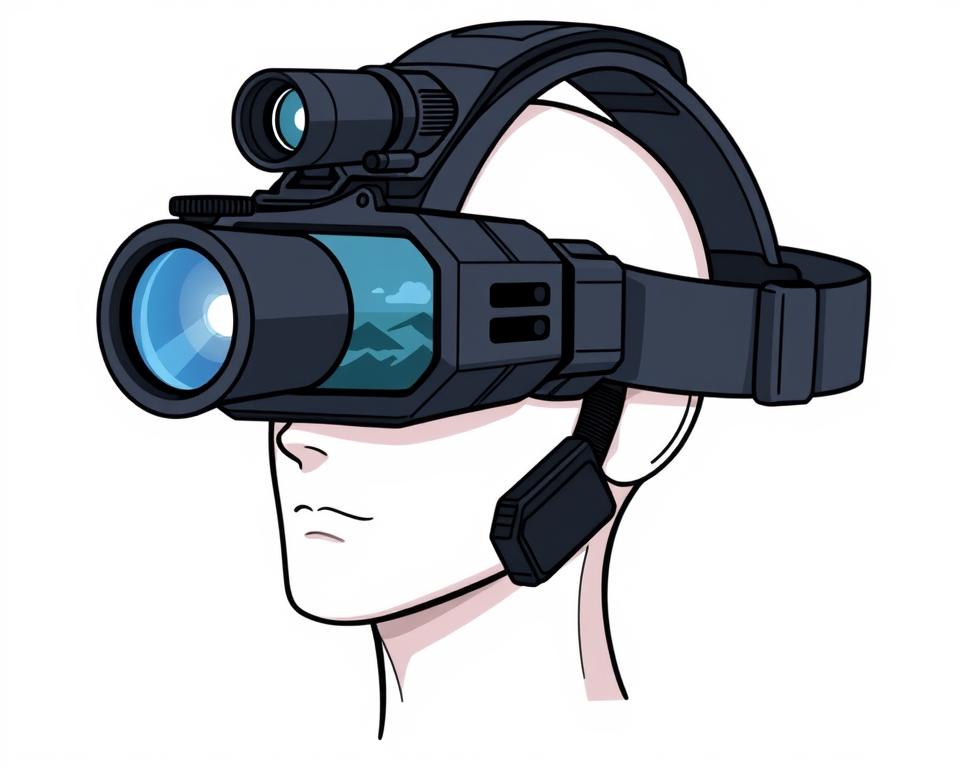
Meet LinduNV’s PVS-14 – A Proven Night Vision Monocular For Real-World Tasks
LinduNV produces this small monocular to be a trusted tool for evenings and low-light tasks. The design favors intuitive controls, a impact-resistant housing, and optics tuned for practical clarity.
The company focuses on quality assembly and extensive testing so your equipment gives predictable results in the field. That focus makes the unit a strong option for hikers, property checks, and professionals who need dependable performance.
Integration is straightforward: use it handheld, mount it to a helmet, or pair it with add-ons without adding bulk. The format fits common systems and keeps your kit light while adding capability.
- Robust housing and ergonomic controls for quick adjustments.
- Monocular design that preserves one natural eye to maintain situational awareness and depth cues.
- Ownership-focused support and warranty choices that simplify long-term care and service.
With a pvs heritage that spans multiple roles, this pvs-14 night vision option continues to be trusted for its balance of durability, image quality, and comfort during extended sessions.
Core Specifications And Standout Features
This section explains the elements that drive clarity, durability, and on-device control.
Optical System And Image Quality
The objective lens, quality glass, and coatings form the foundation for clear image detail. LinduNV optimizes the lens stack for high contrast and crisp edges so you spot and ID targets with less eye strain.
Core PVS-14 white phosphor specs like resolution and gain range are written plainly so the numbers reflect real-world performance rather than just lab conditions. That lets you choose lens and coating combinations that suit your typical session length.
Tube options
Choices include white phosphor, unfilmed white phosphor, and hand select tubes for buyers who want higher guaranteed minimums for clean, low-blemish screens. Tube grade impacts halo effects, EBI levels, and signal-to-noise ratio—key factors in how clean details appear in complex low-light environments.
Durability and controls
The housing handles bumps and adverse weather. Tactile controls make manual gain and focus easy, even with gloves. On-device power and control layout are arranged for predictable operation during fast changes in ambient light.
| Feature | Typical Spec | Effect on Image | Who Benefits |
|---|---|---|---|
| Objective lens | Fast, coated objective | Sharper contrast, less glare | General users, pros |
| Tubes | White phosphor / unfilmed / hand select | Cleaner gray-scale, lower artifacts | Observers needing detail |
| Gain range | Wide manual control | Balances brightness with noise levels | Low-light environments |
| Housing & controls | Rugged, glove-friendly | Consistent, dependable operation in the field | Night operators and outdoor professionals |
PVS14 Night Vision Performance, Explained
In dim conditions, performance is about more than raw specs — it’s about how the image helps you take action. This section shows how tube choice, FOM, and gain translate to usable output in common field conditions.
White Phosphor Compared To Green: Image Characteristics And Comfort
White phosphor offers a natural gray-scale that many users find easier on the eye during long sessions.
Traditional green may increase perceived contrast in certain scenes, but white tends to reduce fatigue and aid quick ID at close-to-mid ranges.
Unfilmed white phosphor variants provide subtle improvements in edge clarity for discerning observers who want extra clean detail.
FOM, Gain, and Tube Performance: how specs match real-world visibility
Higher fom usually means finer detail in complex scenes when using PVS 14 price, but practical gains also depend on optics and coatings.
Use manual gain to keep the scene from washing out when lights or sky brightness increase and to hold contrast as the available light declines.
“Look at tube specs, then decide how the actual image helps you recognize targets under real sky conditions.”
| Spec | Real Effect | Best For |
|---|---|---|
| FOM | Sharper detail in cluttered, complex backgrounds | Observers, search tasks |
| Gain | Controls brightness vs. noise | Environments with constantly changing low light |
| Phosphor type | Color tonality and eye comfort | Long sessions, fast ID |
LinduNV works with buyers to match specifications to real usage so you pick the right pvs-14 night vision setup for your routine.
How To Mount And Operate: Handheld, Headborne, Or Weapon-Adjacent
How you mount a monocular affects comfort, speed, and safe operation in low light.
The unit supports handheld scanning for quick area sweeps, then fast transition to a head mount for hands-free work.
Manual Controls and Ergonomics: Fast adjustments for changing light
Manual controls are positioned so one hand can reach them easily. That lets you change gain and focus without losing situational awareness.
Simple power and control layout reduces fumbling during tense moments and keeps the system reliable when light shifts.
| Mount Style | Use Case | Key Setup Tip | Who Benefits |
|---|---|---|---|
| Handheld | Rapid scanning and perimeter checks | Grip near center of mass for stability | Security personnel and hikers |
| Headborne / goggle interface | Hands-free movement and navigation | Fine-tune eye relief and unit tilt to maximize comfort | Patrols, long shifts |
| Weapon-adjacent | Close support and identification | Always follow safety procedures and use correct adapters | Professionals running weapon systems in low light |
| Team systems | Shared gear integration | Use standardized shrouds and quick-release mounting hardware | Teams working in coordinated operations |
- Start handheld to scan and map the area.
- Then attach a head mount to keep movement steady while cutting neck fatigue.
- For weapon-related setups, always prioritize safe alignment, clear interfaces, and proper training.
For everyday care, use a padded case, wipe lenses regularly, and set the diopter so you can regain sharp focus in seconds.
“Mounting and simple, reachable controls make the system easier to use in real tasks.”
System Accessories And Customization Options
When you choose targeted accessories, a basic monocular becomes a purpose-built, mission-ready system.
LinduNV provides curated accessory sets and build choices so U.S. customers can buy with confidence. Choose upgrades that align with how often you use the device and the environments you step into.
Optics And Lenses: Magnifiers, Objective Upgrades, And Sacrificial Windows
Choose magnifier lenses to extend identification range without losing portability. Lens upgrades and coated objectives improve contrast and hold up to rough use.
Sacrificial windows and demist shields protect optics in harsh weather. These small additions help avoid expensive repairs and keep clarity high on long shifts
Power And Mounting: Batteries, Helmet Mounts, And Goggle Adapters
Battery options and cable management support continuous power throughout extended operations. Plan external packs or spare cells based on mission distance and run time.
Helmet mounts, goggle adapters, and counterweight tips help balance gear and keep alignment repeatable. LinduNV can recommend hand select builds for cleaner screens when you need tighter performance.
| Accessory | Benefit | Best Use |
|---|---|---|
| Magnifier lens | Extended ID range | Search and observation tasks |
| Sacrificial window | Shields the front objective | Harsh, wet, or dusty conditions |
| External battery pack | Extended operating time | Extended patrols |
| Helmet/goggle adapter | Hands-free stability | Navigation, team ops |
“Begin with essentials, then layer in optics and mounts that fit your routine and mission profile.”
Use the checklist below to order your purchases: start with protective equipment, then add optics upgrades, then choose power and mounting options.
- Protective windows and cases
- Lens and objective enhancements
- Power options, mounts, and adapters
How To Order From LinduNV: Pricing And Warranty Essentials
Straightforward pricing and warranty information make the buying process smoother. LinduNV lists base price ranges and shows how add-ons change the final cost. That lets you match product specs to your budget with minimal surprises.
What’s Included: Standard Items, Manuals, And Optional Add-Ons
Every unit ships with a padded case, lens cloth, and a printed manual. Standard batteries and a basic mounting plate are included with most packages.
- Clear, upfront pricing guidance for common builds and upgrade paths.
- Optional kits that group magnifiers, sacrificial windows, and external battery packs.
- Clear list of what products come in each box to avoid guesswork.
Warranty covers defects in workmanship for the defined period and provides support for authorized repairs. LinduNV backs this with a straightforward claim process and responsive U.S.-based support if you need service within the first year or extended coverage options.
“Our goal is simple ordering: choose your spec, confirm delivery timing, and rely on support if anything needs attention.”
To order, contact LinduNV online or by phone. A representative will confirm your spec choices, share an estimated delivery time, and finalize the price. Status updates are typically provided while your monocular is prepared and shipped.
Conclusion
To conclude, notice how careful tube selection and straightforward controls make this compact unit a dependable tool in the dark. LinduNV’s night vision monocular offers clear imagery, adjustable gain, and tube options tailored to common field requirements.
If you value comfort and detail, consider white phosphor or unfilmed white phosphor tubes and the hand select option for cleaner screens. The system integrates with head and weapon setups and works with common accessories and goggle hardware.
Use FOM, gain behavior, and optics to predict real-world performance. Check price, warranty, and spec details, review the manual, then place your order with confidence—LinduNV offers friendly U.S. support to help you tailor the device today and grow with it over the year.
Frequently Asked Questions
What Are The Main Features And Benefits Of This Night Monocular?
This monocular offers a compact, rugged design with high-quality optics and a modern image tube. It produces clear, high-contrast imagery in low-light conditions, is adaptable for handheld, headborne, or weapon-mounted use, and supports quick on-device adjustments like gain and brightness. The unit ships with basic accessories and a user manual for fast deployment.
What Model From LinduNV Is Intended For Practical Field Use?
LinduNV supplies a proven monocular built for durability and field performance. The model features robust housing, reliable controls, and multiple tube options, including unfilmed white phosphor and hand-selected grades, to suit different operational needs and eye comfort preferences.
What optics and lens options affect image clarity?
Image clarity depends on the objective lens quality, anti-reflective coatings, and glass type. Upgrading to higher-quality optics or using magnifiers improves resolution and target identification. Sacrificial windows and optional objective upgrades protect the front element without sacrificing image quality.
Which Tube Options Can I Choose And What’s The Difference?
Tube choices include standard green phosphor, white phosphor, and unfilmed white phosphor. White phosphor offers more natural grayscale and improved contrast, while unfilmed white phosphor can provide crisper detail. Hand-select tube grades allow buyers to choose higher performance tubes based on figure of merit (FOM) and clarity.
White Phosphor vs Green: How Do They Compare For Comfort And Detail?
White phosphor generally yields a more natural-looking image with better grayscale and contrast, which reduces eye strain during prolonged use. Green phosphor remains common and provides good sensitivity, but users often prefer white phosphor for sustained observation and target discrimination.
What Do FOM And Gain Mean For Real-World Visibility?
FOM (figure of merit) is a combined metric of resolution and signal-to-noise; higher FOM usually means clearer images in low light. Gain adjusts tube amplification—higher gain brightens dim scenes but can increase noise. Together they determine how well the device performs in varied lighting conditions.
Is The Housing Durable Enough For Tactical Use?
Yes. The unit uses ruggedized construction with sealed controls and impact-resistant housing. It’s designed to withstand field handling, and many users mount it on helmets or weapons using standard adapters. Optional sacrificial windows and protective covers further safeguard the optics in harsh environments.
What’s The Best Way To Adjust Controls In Changing Light?
The monocular includes accessible knobs or buttons for power, gain, and brightness. Ergonomic placement allows fast, tactile adjustments even with gloves. Practice familiarizes you with control locations to make on-the-fly changes without disrupting observation.
What Mounting Options Are Supported?
The unit supports handheld use, headborne mounting with helmet adapters, and weapon mounting with compatible mounts. Standard goggle adapters and shims let you integrate the device into existing setups. Check accessory compatibility before ordering to ensure a seamless fit.
What Power And Battery Choices Are Available?
Battery options typically include AA or CR123 cells and external power interfaces for extended runtime. Some setups allow rechargeable packs or inline battery holders for helmet-mounted configurations. Verify runtime specs and carry spare batteries for long missions.
What Accessories And Upgrades Can I Add To The System?
Common accessories include objective magnifiers, additional lenses, helmet mounts, weapon adapters, sacrificial windows, IR illuminators, and protective cases. Users can also request hand-select tube grades, different phosphor types, and custom optics to tailor performance to specific missions.
What comes included with the purchase and are manuals provided?
Standard packages usually include the monocular, protective caps, a basic mounting plate or adapter, a user manual, and a soft case or strap. Available add-ons and upgraded packages list additional items like mounts, batteries, or higher-grade tubes at checkout.
How Does Pricing Relate To Tube Quality And Options?
Price varies with tube grade, phosphor type, and added accessories. Hand-selected tubes and higher FOM ratings increase cost, as do white phosphor and unfilmed variants. Bundles that include mounts or optics also raise the total. Contact the vendor for up-to-date pricing and available promotions.
What Warranty And Support Does LinduNV Offer?
LinduNV typically provides a manufacturer warranty covering defects in materials and workmanship. Warranty length and terms depend on the product and tube selection. Technical support and repair services are available; register your device and review warranty terms at purchase.
How do I order and what is the typical lead time?
Orders can be placed through the official LinduNV sales channels or authorized dealers. Lead times vary by stock, tube selection, and customization—standard units ship faster, while hand-selected tubes or custom builds take longer. Ask sales for current estimates before placing an order.